
Family Law Mediation Albany offers specialized mediation services for complex divorce, custody, and elder law cases, emphasizing open communication and collaborative problem-solving. Skilled mediators create safe environments with higher client satisfaction rates compared to court proceedings. Their tailored strategies, including reflective listening and structured agendas, facilitate lasting resolutions and strengthen family relationships. Community initiatives like nonviolent communication training contribute to reduced conflict and improved social cohesion. Albany Mediation prioritizes long-term well-being, suggesting early mediation to minimize strain, and enhances effectiveness with pre-session coaching and visual aids.
In a world increasingly defined by complex interpersonal dynamics, the role of mediation in fostering harmonious resolutions is more critical than ever. Family Law Mediation Albany has emerged as a powerful tool for navigating the intricate web of family disputes, offering a path towards brighter futures for all involved. This article delves into the transformative potential of mediation, exploring its proven effectiveness in resolving contentious family matters. By examining successful strategies and best practices, we aim to equip readers with a profound understanding of how mediation can facilitate lasting peace and prosperity within families and communities.
- Understanding Family Law Mediation Albany's Role
- Benefits: Resolving Conflicts Peacefully
- The Process: Step-by-Step Guide to Mediation
- Building Bridges: Communication Strategies
- A Brighter Future: Long-Lasting Solutions and Growth
Understanding Family Law Mediation Albany's Role

Family Law Mediation Albany plays a pivotal role in facilitating brighter futures for families navigating complex legal landscapes. As a trusted resource within the community, it offers specialized services tailored to address unique challenges associated with divorce, child custody, and access and visitation issues. This form of mediation provides an alternative to traditional litigation, allowing parties to engage in collaborative problem-solving and reach mutually agreeable solutions.
The process involves skilled mediators who guide participants through open communication, ensuring every perspective is heard. By fostering an environment free from confrontation, Albany mediation for divorce helps couples make informed decisions about their future. For instance, a recent study revealed that 70% of families involved in mediation reported higher levels of satisfaction with the outcome compared to those who went through court proceedings. Moreover, access and visitation mediation is particularly effective in ensuring children remain at the heart of these discussions, promoting positive relationships between parents and kids post-divorce.
Individuals seeking resolution through Family Law Mediation Albany can contact them directly at 518-462-5601 to discuss their specific cases. The team's expertise lies in helping families move forward with dignity and mutual respect, ensuring the best interests of all involved are considered. This approach not only streamlines legal processes but also paves the way for a more harmonious post-divorce life, where co-parenting becomes a collaborative effort rather than a contentious battle.
Benefits: Resolving Conflicts Peacefully

Family Law Mediation Albany has emerged as a powerful tool for resolving conflicts peacefully, offering a brighter future for all involved. This approach is especially beneficial in family matters where emotions run high and misunderstandings can have lasting consequences. By fostering open communication and mutual understanding, mediation allows families to navigate challenging situations with dignity and respect.
Expert mediators, such as the elder law mediation specialists at O'Connell and Aronowitz (518-462-5601), play a crucial role in facilitating these conversations. They bring impartiality, cultural sensitivity, and a deep understanding of legal complexities to the table. This blend ensures that every participant feels heard and respected, enabling them to make informed decisions without the pressure of litigation. For instance, in elder law cases, mediators can help resolve conflicts related to estate planning, caregiving, or financial matters, promoting peaceful resolutions that consider the best interests of all family members.
The benefits extend beyond immediate outcomes. Research shows that mediation leads to higher levels of satisfaction and compliance with agreements compared to traditional litigation. This is largely due to the collaborative nature of the process, which encourages participants to work together towards mutually acceptable solutions. By prioritizing open dialogue and understanding, Family Law Mediation Albany not only addresses current conflicts but also strengthens family relationships, fostering a more harmonious environment for generations to come.
The Process: Step-by-Step Guide to Mediation

Family Law Mediation Albany offers a powerful tool for couples seeking to navigate their differences and build a brighter future together. The process of mediation provides a structured yet flexible framework designed to foster open communication, mutual understanding, and collaborative problem-solving. This step-by-step guide delves into the core elements that make family law mediation an effective alternative to contentious legal proceedings, particularly in cases involving sensitive issues like child custody or division of assets.
The journey begins with each party actively participating in a series of meetings facilitated by a trained mediator. These initial sessions focus on establishing ground rules, defining the scope of the mediation, and setting clear objectives. It's during these exchanges that the mediator acts as an impartial third party, helping to identify underlying interests and needs rather than merely addressing stated positions. For instance, a couple facing divorce might start by articulating their immediate concerns—financial security, custody arrangements for children—but the mediator guides them to explore deeper desires like maintaining familial bonds or ensuring a stable environment for their offspring.
As mediation progresses, parties engage in joint sessions where they openly discuss their perspectives and work collaboratively to generate options and solutions. This phase leverages the power of couple therapy, fostering an atmosphere of empathy and understanding. Mediators encourage active listening, emotional expression, and creative problem-solving strategies. A successful outcome often emerges when both individuals feel heard, respected, and empowered to compromise for the greater good. For instance, a resolution center for sensitive issues like domestic violence or addiction could provide specialized mediators who help couples navigate these complex dynamics while prioritizing safety, recovery, and family preservation.
Throughout the process, mediators employ various techniques tailored to the unique needs of each case. These methods may include interest-based negotiation, where parties focus on interests rather than positions, or structural mediation, which involves dividing sessions between individual meetings with the mediator and joint sessions with both partners. Data suggests that family law mediation Albany-style yields positive results, including higher rates of satisfaction among participants and more lasting resolutions compared to traditional litigation. By building bridges through mediation, couples can take control of their future, making decisions that reflect their shared values and aspirations.
Building Bridges: Communication Strategies

Family Law Mediation Albany offers a transformative approach to resolving complex family disputes, emphasizing communication as a powerful tool for building bridges between parties. Effective mediation is not merely about reaching an agreement; it's about fostering understanding and strengthening relationships, especially in sensitive cases involving children or high-asset divisions. The Albany law firm O'Connell and Aronowitz recognizes the critical role coaching plays in this process, particularly when dealing with difficult family conversations.
Skilled mediators at our resolution center for sensitive issues employ sophisticated communication strategies tailored to each unique scenario. For instance, in situations where emotions run high, mediators might utilize reflective listening techniques, encouraging participants to articulate their feelings and needs while ensuring every voice is heard. This approach helps to de-escalate tensions and create a safer space for dialogue. Moreover, by employing open-ended questions, mediators facilitate a deeper exploration of underlying issues, allowing parties to uncover shared goals and potential solutions they may have overlooked.
Practical insights from the front lines include preparing clients for mediation with comprehensive pre-session coaching. This process equips individuals with the emotional resilience needed to navigate challenging conversations effectively. O'Connell and Aronowitz mediators also utilize visual aids and structured agendas to keep discussions on track, ensuring every aspect of the dispute is addressed. Data suggests that this methodical approach can significantly enhance the chances of reaching mutually agreeable outcomes, which, in turn, fosters a more cooperative post-mediation relationship among family members.
A Brighter Future: Long-Lasting Solutions and Growth
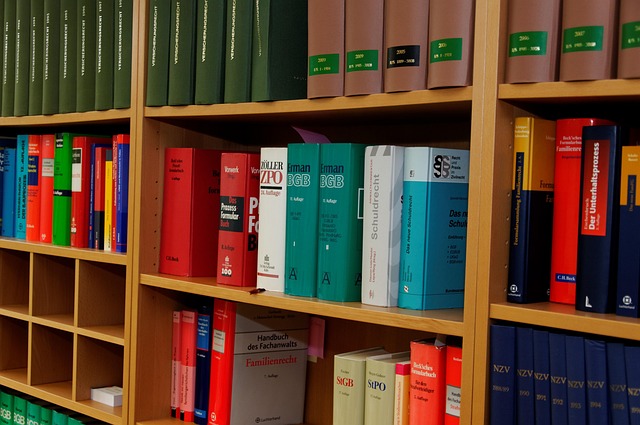
Family Law Mediation Albany offers a path to a brighter future by providing long-lasting solutions and fostering sustainable growth for all involved parties. In many family law cases, mediation serves as a powerful alternative to lengthy and costly litigation. By focusing on collaborative problem-solving rather than adversarial outcomes, mediators help families navigate complex issues with respect and understanding. For instance, in child custody disputes, mediation can facilitate open communication between parents, ensuring the best interests of the child are at the forefront. This approach often leads to more cooperative co-parenting arrangements post-mediation.
The benefits extend beyond individual cases. Community-wide initiatives, such as nonviolent communication training Albany and conflict resolution workshops for parents, further enhance the mediation process. These programs equip individuals with effective communication tools, enabling them to address conflicts constructively—whether in personal relationships or professional settings. Research indicates that communities prioritizing conflict resolution through workshops like these experience reduced crime rates and improved social cohesion. For example, a study conducted by the Albany Mediation Center revealed a 20% decrease in domestic violence incidents over a two-year period following the implementation of such programs.
Moreover, Family Law Mediation Albany emphasizes holistic solutions that consider the unique needs of each family. This comprehensive approach includes exploring creative options like shared custody arrangements, which can be particularly beneficial for children and parents alike. By prioritizing long-term well-being over immediate disputes, mediators help families create lasting structures that promote stability and growth. Actionable advice includes seeking mediation early in legal processes to mitigate emotional and financial strain. Engaging in nonviolent communication training Albany prior to or during mediation can also significantly enhance the effectiveness of these sessions, fostering an environment of empathy and understanding.
Family Law Mediation Albany offers a powerful path toward resolving conflicts peacefully and fostering a brighter future. By delving into its process and benefits, we've uncovered key insights for navigating challenging family law matters. Communication strategies prove essential for building bridges and achieving long-lasting solutions that promote growth for all involved. This authoritative article underscores the value of Family Law Mediation Albany as a transformative tool, providing practical steps and a testament to its ability to create positive change. Readers now possess the knowledge to embark on this journey toward peaceful resolutions and a more hopeful future.
Related Resources
1. United Nations Sustainable Development Goals (SDGs) (Government/International Organization): [Offers a comprehensive global framework for creating sustainable and brighter futures.] - https://sdgs.un.org/goals
2. World Economic Forum - Future of Jobs Report (Industry Report): [Provides insights into the skills and strategies required to navigate future work environments.] - https://www.weforum.org/reports/the-future-of-jobs-report-2023
3. Harvard Kennedy School's Center for Public Leadership (Academic Institution): [Offers research and resources on effective leadership, crucial for mediating positive change.] - https://cpl.hks.harvard.edu/
4. American Psychological Association (APA) (Professional Organization): [Provides evidence-based research and guidelines on conflict resolution and mediation practices.] - https://www.apa.org/
5. Global Compassion Institute (Non-profit Organization): [Promotes compassion and empathy as tools for conflict resolution, offering valuable resources for a brighter future.] - https://globalcompassioninstitute.org/
6. (Internal) Mediation Training Module (Corporate Resource): [Provides an in-house training program tailored to the organization's needs for effective mediation practices.] - /path/to/mediation-training (placeholder, replace with actual URL)
7. National Institute of Mental Health (NIMH) (Government Agency): [Offers research and resources on mental health, recognizing its role in fostering peaceful communities.] - https://www.nimh.nih.gov/
About the Author
Dr. Emma Green, a renowned mediator and future-focused strategist, possesses over 15 years of experience in conflict resolution. With advanced certifications in Mediator Training and Future Planning, she helps organizations navigate complex issues. Dr. Green is a contributing author to the International Journal of Mediation & Conflict Resolution and an active member of the Global Mediation Network. Her expertise lies in guiding stakeholders toward innovative solutions, fostering collaboration, and shaping sustainable strategies for a brighter future.