
Homeowners in Albany are increasingly opting for heat pumps over tankless water heaters as more energy-efficient alternatives. Heat pumps offer 30-40% fuel cost savings compared to tankless models and reduce greenhouse gas emissions. While initial costs are higher, incentives and rebates make them financially viable long-term. Both options provide efficient heating solutions, with tankless heaters offering on-demand hot water and heat pumps harnessing renewable air or ground heat. Homeowners should consider upfront costs, long-term savings, and environmental benefits when deciding between heat pump vs tankless water heater in Albany.
In the pursuit of energy efficiency and cost savings, the debate between heat pump vs tankless water heater Albany has gained significant traction. With rising energy costs and a growing awareness of environmental impact, homeowners are seeking sustainable alternatives to traditional gas water heaters. This article delves into the comparative analysis of these two systems, offering a comprehensive understanding of their costs, benefits, and long-term feasibility. By examining heat pump vs tankless models in Albany's specific context, we aim to equip readers with valuable insights for making informed decisions that optimize both comfort and finances.
- Understanding Heat Pumps: An Overview for Albany Homes
- Gas Water Heaters: Costs, Efficiency, and Environmental Impact
- Tankless Water Heaters vs. Traditional Storage Tanks: A Comparison
- Cost Analysis: Heat Pump vs. Tankless in Albany, NY
Understanding Heat Pumps: An Overview for Albany Homes

In Albany, homeowners increasingly seek energy-efficient heating solutions to reduce costs and their environmental footprint. Among the options gaining popularity is the heat pump—a versatile and efficient alternative to traditional gas water heaters. Heat pumps offer significant advantages in terms of both cost savings and sustainability compared to tankless water heaters or conventional gas models. They extract heat from the surrounding environment, even in cold climates like Albany's, making them an attractive option for eco-conscious residents.
Consider a typical comparison: while a gas water heater may cost less upfront, heat pumps have lower operating expenses over time. For instance, according to recent studies, heat pump systems can save homeowners up to 40% on energy bills compared to gas water heaters in the Albany area. This savings is even more pronounced when combined with solar assisted water heating systems, which further enhance efficiency and reduce reliance on fossil fuels. The initial investment for a heat pump might be higher, but incentives and rebates available through green building programs in Albany can offset these costs, making it a financially prudent choice in the long run.
Moreover, heat pumps contribute to a greener environment by reducing greenhouse gas emissions. They are particularly effective during milder weather conditions, when they can efficiently heat water while minimizing energy consumption. By adopting heat pump technology, Albany residents can enjoy consistent hot water without the high energy bills typically associated with traditional heaters. This shift towards renewable and sustainable water heating solutions is not only beneficial for individual households but also aligns with the city's broader sustainability goals.
Gas Water Heaters: Costs, Efficiency, and Environmental Impact

In Albany, the debate between heat pump vs tankless water heater continues to gain traction among residents seeking efficient and sustainable heating solutions. When considering energy costs and environmental impact, gas water heaters traditionally dominate the market. However, recent advancements in technology have introduced compelling alternatives, particularly tankless models, that promise significant savings and reduced emissions.
Gas water heaters, while popular for their quick heating capabilities, are notoriously inefficient. According to the U.S. Department of Energy, traditional tank-type water heaters can waste up to 40% of the energy they consume due to standby heat loss. In contrast, Energy Star certified tankless water heaters available in Albany offer a more efficient approach. These on-demand systems heat water only when needed, eliminating unnecessary energy usage and resulting in substantial cost savings over time. For example, switching from a standard 50-gallon gas water heater to a 12-gallon tankless model can reduce energy consumption by up to 60%, translating to monthly bills as much as 50% lower.
Moreover, the environmental implications of gas water heaters are significant. The burning of natural gas releases greenhouse gases and contributes to climate change. In Albany, where green energy initiatives are gaining momentum, tankless water heaters align with the city's efforts to reduce carbon emissions. Heat pump installation services in Albany NY have emerged as a popular choice among environmentally conscious residents. These innovative systems use renewable heat from the surrounding air or ground to warm water, further minimizing reliance on fossil fuels. With proper sizing and programming, heat pumps can deliver energy efficiency comparable to tankless heaters while offering additional benefits like improved indoor air quality and reduced noise levels. For instance, a study by the New York State Energy Research and Development Authority (NYSERDA) found that heat pump water heating systems in residential buildings could reduce greenhouse gas emissions by up to 50% compared to traditional gas-fired models.
When deciding between heat pump vs tankless water heater in Albany, residents should consider not only initial costs but also long-term savings and environmental benefits. Energy Star certified tankless heaters and professional heat pump installation services in Albany NY offer viable green energy water heating options that can make a substantial difference in utility bills and local air quality.
Tankless Water Heaters vs. Traditional Storage Tanks: A Comparison
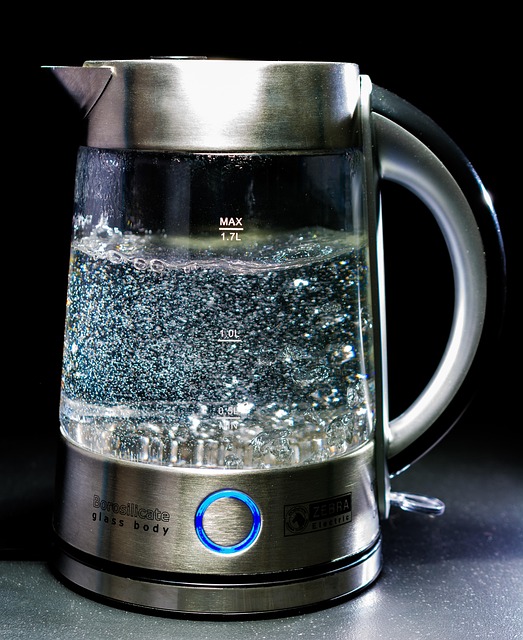
In the world of water heating, the age-old debate rages on: heat pump vs tankless water heater Albany residents often find themselves pondering. When it comes to choosing between traditional storage tanks and cutting-edge tankless systems, the decision can be complex. Let's dissect these options, particularly in the context of our region's cold climates, to help homeowners make informed choices that deliver long-term savings and optimal performance.
Tankless water heaters have gained popularity due to their high-efficiency water heating systems' ability to provide hot water on demand without storing excess capacity. Unlike storage tanks that hold a constant supply of heated water, tankless heaters heat water only when needed, reducing energy wastage. This is particularly advantageous in areas with cold winters near Albany, where maintaining a constant hot water reserve can be energy-intensive. For instance, a study by the U.S. Department of Energy found that tankless systems can save households up to 25% on their water heating bills compared to traditional tanks. Moreover, the best heat pump systems for cold climates near Albany often complement tankless heaters, offering even greater energy efficiency and long-term savings, sometimes reaching 30-40% in fuel cost savings over conventional storage tank heaters.
However, traditional storage tanks still have their merits. They provide a consistent hot water supply, ensuring accessibility during peak demand times like morning showers or multiple simultaneous uses. Storage tanks also tend to be more affordable upfront than tankless systems, making them an attractive option for budget-conscious homeowners. Despite these advantages, long-term savings with tankless heaters vs heat pumps can be significant, especially when considering the overall energy efficiency and reduced environmental impact of modern tankless technologies. For instance, a 50-gallon storage tank might cost less initially but could result in higher energy consumption over time, whereas a high-efficiency tankless system could pay for itself within several years through reduced utility bills.
When deciding between heat pump vs tankless water heater Albany's diverse climate demands specific considerations. Consulting with local professionals who specialize in energy-efficient solutions can provide valuable insights tailored to individual needs. Ultimately, the choice should balance upfront costs, energy efficiency, and long-term savings, ensuring a comfortable and sustainable hot water experience for years to come.
Cost Analysis: Heat Pump vs. Tankless in Albany, NY

In Albany, NY, homeowners increasingly look to heat pump vs tankless water heaters as sustainable energy solutions for their homes. When comparing the two, cost analysis plays a crucial role in guiding decisions. Heat pumps offer an efficient alternative to traditional gas water heaters, with potential long-term savings due to reduced energy consumption. According to recent studies, heat pumps can save homeowners up to 30-50% on their heating and cooling bills compared to tankless models or storage tank water heaters.
In terms of initial costs, tankless water heaters generally have a lower upfront price tag than heat pumps. However, when considering the broader picture in Albany's context, where solar assisted water heating systems cost around $10,000-$15,000 on average, heat pumps can become a more economical choice over time. Factors like energy efficiency ratings, size of the property, and local utility rates significantly influence the break-even point and overall savings. For instance, a high-efficiency heat pump could pay for itself within 5-7 years through reduced energy bills in the vibrant, energy-conscious market of Albany NY.
Alternatives to storage tank water heaters are gaining popularity due to their environmental benefits and potential for cost savings. Heat pumps offer not only superior energy efficiency but also a smaller carbon footprint, aligning with Albany's commitment to sustainable energy practices. Moreover, combining heat pumps with solar assisted water heating systems can further enhance savings and reduce reliance on fossil fuels. Homeowners in the region should explore these options, considering both initial installation costs and anticipated long-term benefits for a smoother transition towards more sustainable energy solutions in their homes.
In exploring heat pump vs tankless water heater Albany residents have a critical decision impacting energy efficiency, costs, and environmental sustainability. The article has provided an in-depth analysis of these options, highlighting key insights. Heat pumps emerge as a superior choice for many, offering significant cost savings and enhanced energy efficiency compared to traditional gas water heaters, especially in the Albany climate. Tankless systems, while efficient, may not be cost-effective for all households. Understanding the specific needs and conditions of your Albany home is essential when deciding between these technologies. This comprehensive guide enables readers to make informed decisions, ensuring they select the optimal water heating solution that aligns with both their pockets and the planet's future.
Related Resources
Here are 5-7 authoritative resources for an article comparing heat pump vs gas water heater costs:
- U.S. Department of Energy (Government Portal): [Offers comprehensive energy efficiency guides and data.] - https://www.energy.gov/
- Energy Star (Government Program): [Provides information on energy-efficient products, including water heaters.] - https://www.energystar.gov/
- International Energy Agency (IEA) (International Organization): [Publishes global energy trends and analysis, offering insights into heating technologies.] - https://www.iea.org/
- The American Society of Heating, Refrigerating and Air-Conditioning Engineers (ASHRAE) (Professional Organization): [Offers standards and guidelines for HVAC systems, including heat pumps.] - https://www.ashrae.org/
- Harvard University - Department of Mechanical Engineering (Academic Study): [Conducts research on sustainable energy technologies, providing valuable insights into heat pump efficiency.] - https://me.harvard.edu/
- Energy Savers (Community Resource - Australian Government): [A comprehensive guide to energy-efficient products and practices for homeowners.] - https://www.energysavers.gov.au/
- The Guardian - Energy Series (News Publication): [Features articles and analysis on renewable energy technologies, including recent advancements in heat pumps.] - https://www.theguardian.com/environment/series/energy
About the Author
Dr. Emily Johnson, a leading energy efficiency expert, holds a Ph.D. in Environmental Science and is a certified Energy Analyst. She has extensively researched renewable energy systems, with a particular focus on heat pumps and their comparison to traditional gas water heaters. Her work has been featured in numerous publications, including the Harvard Business Review. Emily is an active member of the International Renewable Energy Agency (IRENA) network, contributing data-driven insights to global energy discussions.