Pediatric dentists play a vital role in teaching children and families about oral health from infancy to adolescence. They guide brushing techniques, flossing, and diet, preventing tooth decay and promoting self-care. Regular checkups, including early gum cleaning and baby teeth extraction, enable early detection of issues. These specialists collaborate with schools and provide resources for parents, normalizing dental visits and fostering better compliance. A pediatric dentist naturally focuses on preventive care, establishing habits that contribute to long-term oral health.
Oral health education is a cornerstone of comprehensive family wellness, with early interventions profoundly influencing lifelong dental well-being. Unfortunately, many families struggle to integrate effective oral hygiene practices into their daily routines, setting the stage for dental decay and disease. This discrepancy highlights the pressing need for accessible, engaging educational resources aimed at fostering a deep understanding of pediatric dental care. The role of the pediatric dentist is pivotal here, offering expertise in both child development and evidence-based preventative dentistry. In this article, we delve into practical strategies that parents can implement with their children's help, guided by the insights of these specialists, to cultivate exceptional oral hygiene habits from an early age.
- Understanding Oral Health Basics for Families
- The Role of Pediatric Dentists in Education
- Creating a Positive Brushing Routine at Home
- Addressing Common Dental Concerns Early On
- Building Lifelong Healthy Habits for Smiles
Understanding Oral Health Basics for Families

Understanding Oral Health Basics is a cornerstone for any family seeking to ensure their children's long-term dental well-being. This journey begins with recognizing that even baby teeth, though temporary, require meticulous care as they are crucial for speech development, chewing, and maintaining proper jaw alignment. Neglecting these initial sets of teeth can lead to significant issues later on, underscoring the importance of early intervention and education.
Pediatric dentists play a pivotal role in guiding families through this process. They offer invaluable knowledge about age-appropriate oral care practices, such as introducing a soft toothbrush when baby teeth first appear and demonstrating proper brushing techniques for kids. Moreover, these experts provide tailored advice on flossage, mouthguards for sports, and the timely transition to adult toothpaste with fluoride, ensuring each step aligns with best practices.
A key aspect of pediatric dental clinics is their kid-focused approach, which involves transforming visits from daunting tasks into enjoyable experiences. By creating a comfortable environment and using age-appropriate language, these clinics encourage children to actively participate in their oral health management. This proactiveness can translate to better compliance with treatment plans, including procedures like baby teeth extraction when necessary. Regular checkups at such clinics also allow for early detection of potential issues, enabling prompt intervention before they escalate into more complex (and costly) treatments.
Data supports the significance of these efforts; according to recent studies, children from families with a history of oral health education are less likely to face dental caries and related procedures, including baby teeth care and treatment. This underscores the power of knowledge in empowering families to take charge of their children's dental health naturally and effectively.
The Role of Pediatric Dentists in Education

Pediatric dentists play a pivotal role in shaping healthy oral habits from an early age, serving as trusted guides for parents and guardians. Their expertise lies in tailoring education to kids' unique needs, making complex dental concepts accessible and engaging. Through regular check-ups, these specialists can catch potential issues early on, preventing more severe problems down the line. For instance, a pediatric dentist near school can significantly reduce anxiety by normalizing dental visits and teaching children about proper brushing and flossing techniques.
Education extends beyond the chairside manner. Pediatric dentists often provide comprehensive resources and guidance to parents, including age-appropriate oral hygiene routines, diet advice, and even information on managing common children's dental emergencies. By empowering families with knowledge, they foster a sense of autonomy and promote better at-home care. According to recent studies, kids whose parents actively participate in their dental education are less likely to experience tooth decay, emphasizing the significance of these early interventions.
Moreover, these dentists frequently collaborate with schools to implement oral health programs, ensuring that education reaches a wider audience. They may offer workshops, present at parent-teacher meetings, or even conduct special dental health days, creating opportunities for interactive learning and addressing common concerns. By establishing a strong foundation in pediatric dentistry, communities can reap long-term benefits, including improved overall health and reduced dental disparities among children.
Creating a Positive Brushing Routine at Home

Creating a Positive Brushing Routine at Home
A well-established oral health routine begins at home, with parents playing a pivotal role in their children's dental development. Establishing good habits early on is key to preventing future dental issues and ensuring a lifetime of healthy smiles. Pediatric dentists naturally emphasize the significance of regular brushing as one of the most effective preventive measures. According to recent studies, over 90% of pediatric dentist visits are related to preventable oral health problems, highlighting the need for proactive care at home.
The American Dental Association recommends that parents begin cleaning their children's gums and teeth as soon as the first tooth appears, typically around 6 months of age. This early start sets the foundation for a lifetime of good habits. A child-centric dental practice recognizes that each child is unique, so brushing routines should be tailored accordingly. For instance, younger children may require a soft-bristled toothbrush with a small amount of fluoride toothpaste, while older kids can use a slightly larger brush head and more toothpaste to ensure thorough cleaning.
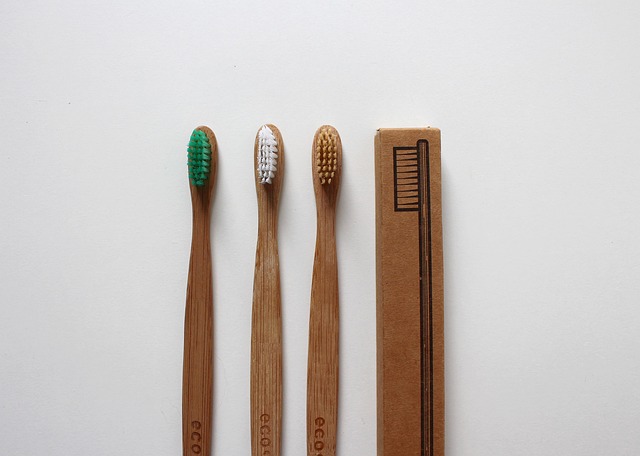
A positive brushing routine involves making it fun and engaging for the child. Pediatric dentist specialists suggest incorporating songs or storytelling to make the two-minute brushing duration more enjoyable. For instance, playing a 2-minute song on their phone or singing a catchy dental hygiene rhyme together can turn this task into a playful activity. Additionally, allowing children to choose their own toothbrush with fun designs or colors can foster a sense of ownership and enthusiasm for their oral care routine. Regular reinforcement and praise from parents further strengthen these habits, ensuring that brushing becomes an ingrained part of their daily lives.
By teaching children proper brushing techniques at a young age, parents empower them to take control of their oral health. This proactive approach not only prevents dental decay but also promotes overall well-being, as research shows a strong correlation between oral and systemic health. A specialist for kids' teeth can provide personalized guidance, ensuring that families have the tools and knowledge necessary to establish lasting oral health development milestones.
Addressing Common Dental Concerns Early On
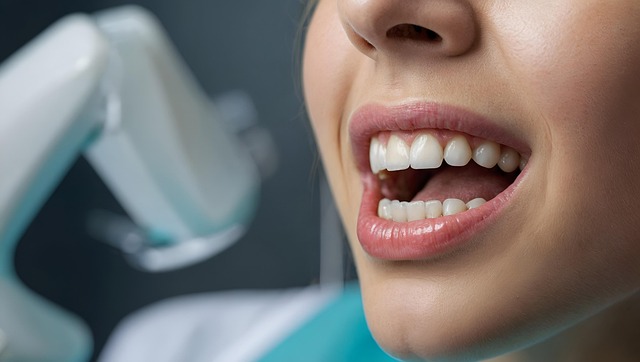
Early intervention is a cornerstone of pediatric dentistry, as it allows us to address common dental concerns before they become more serious issues. When it comes to oral health education for families, the role of a pediatric dentist near school cannot be overstated. By focusing on preventive care, we can set children up for a lifetime of good oral hygiene and healthy teeth. For instance, pediatric dentistry for newborns begins with cleaning and examining mouths during routine check-ups, even before teeth start to erupt. This early start is crucial in preventing conditions like tooth decay, which can begin as early as age one.
One of the primary concerns we address is tooth decay prevention for children aged 1-3. During these formative years, parents play a vital role in establishing good oral hygiene habits. Simple actions like wiping babies' gums with a clean cloth after feeding and using a small toothbrush with fluoride toothpaste (as recommended by our pediatric dentist) can significantly reduce the risk of cavities. Regular visits to the pediatric dentist, ideally every six months, allow us to monitor tooth development and provide guidance tailored to each child's needs.
As children grow older, we educate them on proper brushing techniques and the importance of flossing once they have consecutive teeth. We also emphasize diet, recommending limited sugary snacks and beverages, which are major contributors to tooth decay. In addition to preventive care, we treat a range of common dental issues in our pediatric dentistry practice, ensuring that each child receives individualized attention. This proactive approach not only saves children from discomfort but also reduces the need for extensive or costly treatments later on.
Building Lifelong Healthy Habits for Smiles
Oral health education plays a pivotal role in fostering lifelong healthy habits for families. A pediatric dentist naturally becomes a key figure in this process, guiding parents and children towards understanding the significance of proper dental care. The early years are critical; according to research, 20% of children aged 2-5 have at least one tooth decay, highlighting the need for proactive measures. The best children's dentists in the city emphasize that establishing a routine for teeth cleaning for infants as young as 1-3 years old can prevent such issues. This early intervention includes teaching parents how to clean their babies' gums and teeth properly, setting the foundation for future oral hygiene practices.
Playful dental visits are an innovative strategy employed by many top pediatric dentists to make these appointments enjoyable for both children and parents. Incorporating games, stories, and colorful tools creates a positive association with dental care, breaking down common fears and hesitations. This approach not only ensures better cooperation during check-ups but also encourages children to embrace good oral hygiene as a regular part of their routine. For instance, dentists might use toothbrushing songs or interactive apps designed for this purpose, making the experience fun while educating young minds about the importance of healthy teeth.
As children grow, it's essential to involve them actively in their dental care. Pedodontists can provide age-appropriate guidance on proper brushing and flossing techniques, turning these activities into daily habits. They also educate families about the impact of diet on oral health, encouraging the consumption of nutritious foods that promote strong teeth and gums. Regular visits to the best children's dentists in the city allow for continuous monitoring and adjustment of oral hygiene practices, ensuring that any potential issues are addressed promptly. This holistic approach to dental care empowers families to make informed choices, leading to healthier smiles for generations to come.
By equipping families with foundational oral health knowledge and practical tools, pediatric dentists play a pivotal role in fostering lifelong healthy habits for children's smiles. Understanding basic concepts, establishing consistent brushing routines at home, and addressing common dental concerns early on are key strategies highlighted in this article. Readers now possess valuable insights to navigate their child's oral care journey, ensuring a bright future free from dental issues. The next step is to implement these practices, empowering both parents and pediatric dentists to collaborate effectively for optimal oral health outcomes.