
Recovering from a car accident in Albany involves a multi-faceted approach:
1. Acknowledge & Accept Trauma: Process emotions through journaling, therapy, and support networks for optimal emotional well-being.
2. Seek Professional Guidance: Therapists use tools like CBT, and lawyers help navigate legal rights and compensation.
3. Prioritize Holistic Care: Include immediate medical attention, rest, nutrition, physical therapy, stress management, and legal consultation.
4. Rebuild Support Networks: Connect with friends, family for emotional support and practical assistance during recovery.
5. Set Achievable Goals: Break down objectives into manageable tasks to avoid feeling overwhelmed and regularly review progress.
Trauma, whether from a sudden event like a car accident in Albany or prolonged emotional stress, significantly impacts individuals' physical and mental well-being. Understanding the process of recovery is essential for those affected and their support systems. This article delves into comprehensive strategies for overcoming both physical and emotional scars, offering valuable insights for a holistic healing journey. We explore evidence-based practices, from cognitive therapies to mindfulness techniques, emphasizing their role in restoring balance and resilience. By presenting actionable steps, this guide empowers readers to navigate the road to recovery with informed care and empathy.
- Recognize and Acknowledge Trauma's Impact
- Prioritize Self-Care for Physical Healing
- Process Emotions: Grieving and Release
- Seek Professional Support and Therapy
- Reclaim Your Life: Set Realistic Goals
- Rebuild and Nurture Your Support Network
Recognize and Acknowledge Trauma's Impact
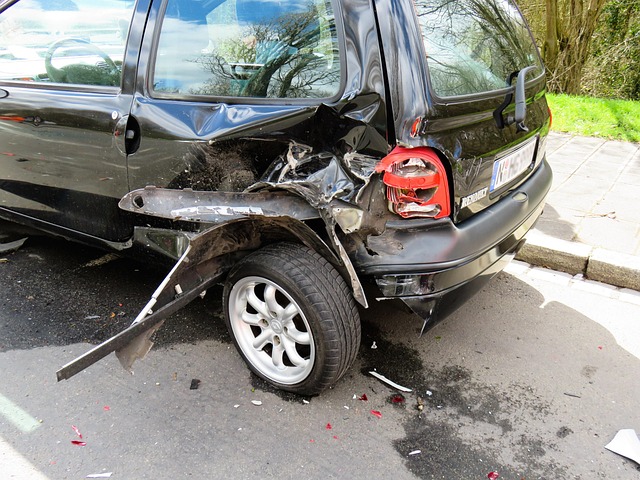
Recovering from physical and emotional trauma is a complex process that requires acknowledging and understanding the profound impact it can have on an individual's life. When faced with the aftermath of a car accident in Albany or any traumatic event, taking proactive steps to recognize and address these effects is essential for healing. Many victims of such incidents often experience a range of emotions, from shock and anger to fear and anxiety, which can significantly affect their overall well-being.
One crucial step in the recovery process is recognizing that trauma has occurred and acknowledging its potential long-lasting effects. This initial stage involves accepting and validating one's feelings without judgment. It is common for individuals to experience a sense of disorientation or even denial immediately after a traumatic event, such as a car accident. During this time, it's important to be patient with oneself and allow space for emotions to surface. Engaging in self-reflection through journaling or talking with trusted friends or family can help process these feelings. For instance, many people find that expressing their thoughts and experiences helps to normalize what they've been through and facilitates a sense of control.
Seeking professional guidance is another vital aspect of recovering from trauma. Considering the profound impact of accidents like those in Albany, getting legal advice from experienced professionals like O'Connell and Aronowitz at 518-462-5601 is essential. This step ensures that your rights are protected and provides a supportive environment to discuss the emotional toll of the incident. Therapists and counselors equipped with trauma-informed care can offer valuable insights and strategies tailored to each individual's unique experience. They may employ various techniques, such as cognitive-behavioral therapy, to help individuals process traumatic memories and develop healthy coping mechanisms. By contacting O'Connell and Aronowitz, victims can take a significant step towards healing and rebuilding their lives after a car accident or any traumatic event.
Prioritize Self-Care for Physical Healing

Recovering from physical trauma, whether sustained in a car accident or other injury, requires focused self-care strategies aimed at promoting healing and restoring your body's functions. Following a serious incident like a car crash in Albany, it is crucial to prioritize your well-being. This involves addressing both acute pain management and long-term recovery goals. Initially, focus on seeking immediate medical attention to assess the extent of your injuries. In Albany, contacting emergency services or going directly to the nearest hospital is vital for a proper diagnosis and treatment plan.
Once stabilized, implement a holistic approach to healing. This includes adequate rest, nutrition, and physical therapy tailored to your specific needs. Engaging in gentle exercises recommended by healthcare professionals can aid in regaining mobility and strength. Moreover, managing stress levels through techniques such as meditation or yoga can accelerate the recovery process. Additionally, consider consulting with specialists who can guide you on what to do after a car accident in Albany regarding compensation for injuries. Filing a police report online (NY) is an essential step, providing a formal record of the incident and potential grounds for legal action if needed. Contacting your insurance company in Albany multiple times—initially to file a claim, subsequently to update them on your progress and any additional medical expenses—ensures proper coverage during your recovery journey.
Nutrition plays a significant role in healing. A balanced diet rich in proteins, vitamins, and minerals supports tissue repair and overall well-being. Adequate hydration is equally crucial for optimal physical function. As you recover, monitor changes in your body and adjust self-care practices accordingly. Seeking guidance from healthcare professionals and legal experts—such as consulting with an attorney specializing in personal injury cases—can empower you to navigate the aftermath of a traumatic event effectively, ensuring both your physical healing and legal rights are protected.
Process Emotions: Grieving and Release

Recovering from physical and emotional trauma, especially after a car accident like those that occur in Albany, is a multifaceted process. One critical yet often overlooked aspect is the management of emotions, particularly grief and its release. The immediate aftermath of such an event can leave individuals feeling overwhelmed, anxious, or even numb. Processing these feelings is essential for healing and moving forward.
Grieving is a natural response to trauma, serving as a way to acknowledge and accept what has happened. It may manifest as intense emotions, flashbacks, nightmares, or physical symptoms. Allow yourself to feel these without judgment. Journaling can be an effective tool; writing about your experiences and emotions can help in making sense of them. Moreover, seeking support from friends, family, or a professional therapist who understands trauma can facilitate the grieving process. Sharing your feelings with others provides an outlet for expression and fosters a sense of connection.
Release is the companion to grief. It involves transforming raw emotions into actions that promote healing and well-being. For instance, engaging in creative activities like painting or dancing can help externalize and release pent-up feelings. Exercise, too, is a powerful tool; physical activity stimulates endorphins, which can boost mood and reduce stress. In the context of a car accident in Albany, seeking a personal injury lawyer consultation is not just about chasing compensation for injuries but also about ensuring your rights are protected while you focus on recovery. A professional attorney can provide guidance tailored to your situation, helping you navigate the legal process with less burden.
Consider joining support groups where individuals share similar experiences. This collective approach to healing offers a sense of community and validation. Remember, processing emotions is an ongoing journey; be patient with yourself and seek help when needed. What to do after a car accident in Albany or any other traumatic event involves not just physical care but also emotional support. By actively managing your feelings through grieving and release, you lay the foundation for a stronger, more resilient self.
Seek Professional Support and Therapy

Recovering from physical and emotional trauma requires a multifaceted approach, especially after an event as potentially devastating as a car accident. In Albany or any other location, What to do after a car accident involves more than just filing a claim with your insurance company; it necessitates a comprehensive strategy that includes seeking professional support and therapy. Understanding liability laws in Albany is crucial, but so too is prioritizing your well-being following a minor crash (1-3 times) or more severe incident.
The immediate aftermath of an accident demands careful attention to detail. Record the details of the incident accurately, including dates, times, witness statements, and any relevant evidence. This meticulous documentation serves as a foundation for navigating liability in Albany and can significantly aid your case. Moreover, it's vital to prioritize your health both physically and emotionally. Shock and trauma can mask injuries initially, so prompt medical attention is essential. Additionally, therapy offers a safe space to process emotions, alleviate stress, and develop coping mechanisms tailored to your unique experiences—be that after a minor car crash or something more significant.
Professional therapists, equipped with specialized knowledge in trauma recovery, provide valuable tools for navigating the aftermath of an accident. Cognitive-behavioral therapy (CBT), for instance, helps reframe negative thoughts and beliefs formed during traumatic events. Support groups offer camaraderie and shared experiences, fostering a sense of belonging among individuals who have gone through similar challenges. In Albany or any setting, these resources are integral to comprehensive recovery, enabling individuals to reclaim their lives and rebuild after what can feel like a devastating turning point.
Understanding your rights and responsibilities under Albany's liability laws is critical while seeking professional help. Consulting with attorneys specializing in personal injury cases can clarify legal options and ensure you receive fair compensation for medical expenses, property damage, and other relevant losses stemming from the accident. This proactive approach, coupled with dedicated therapy and accurate record-keeping, paves a path toward physical and emotional healing, enabling individuals to move forward after what might have been an intensely difficult experience—be it a single minor crash or a more severe incident that leaves lasting impacts.
Reclaim Your Life: Set Realistic Goals

Recovering from physical and emotional trauma is a journey that requires patience, self-care, and strategic planning. When you've been involved in a car accident, such as what to do after a car accident in Albany, setting realistic goals can be a powerful tool for reclaiming your life. It's essential to understand that healing is not a linear process; it varies from person to person. Therefore, the first step is to acknowledge and accept these individual differences.
After sustaining injuries in an accident, it's crucial to seek medical attention immediately. This initial evaluation can help uncover any hidden injuries that may manifest later. Once your immediate health needs are addressed, consider reaching out to legal professionals like O'Connell and Aronowitz at 518-462-5601 for guidance on the next steps. They can provide invaluable support in navigating the aftermath of the accident, including understanding your rental car options post-crash. During this period, setting achievable milestones becomes vital. For instance, short-term goals might include attending physical therapy sessions regularly or learning coping strategies for anxiety and stress. As you progress, work towards longer-term objectives like returning to work or resuming recreational activities that were previously enjoyable.
Realistic goal-setting involves being honest about your capabilities and limitations while also acknowledging your strengths. It's natural to feel overwhelmed after a traumatic event; however, breaking down your goals into manageable tasks can make the process less daunting. For example, if your ultimate goal is to resume driving, start with short drives in controlled environments and gradually increase the duration and complexity of these trips. Regularly reviewing and adjusting your goals based on your progress and feedback from healthcare professionals is essential for staying motivated. Remember, recovery is not just about healing injuries; it's also about rediscovering control and purpose in your life.
Rebuild and Nurture Your Support Network

Recovering from a traumatic event, whether physical or emotional, is a complex process that demands multifaceted approaches. One often-overlooked yet vital aspect of healing is rebuilding and nurturing your support network. In the aftermath of a significant incident, such as a car accident in Albany, it's crucial to understand the significance of your surrounding support system. O'Connell and Aronowitz, an Albany law firm, emphasizes the importance of this step, encouraging victims to reach out for assistance not only from legal professionals but also from loved ones and community resources.
Following a traumatic experience, individuals often find themselves isolated or cut off from their usual social connections. This disconnection can prolong the healing process. What to do after a car accident in Albany involves taking proactive steps to re-establish and strengthen these ties. Consider reaching out to friends and family members who have been reliable sources of support in the past. They can provide emotional comfort, practical assistance, and a listening ear during challenging times. Additionally, exploring community resources like support groups or local counseling services can facilitate connections with people facing similar challenges.
Building a robust support network involves more than just having people around; it's about fostering meaningful relationships. Engage in open conversations about your experiences and the challenges you're facing. Be transparent about your needs—whether it's help with transportation, assistance with daily tasks, or simply someone to listen. Many people are willing to lend a hand, but they may not know how to offer support effectively. By communicating your requirements clearly, you enable them to provide exactly what you need. For instance, if you're facing difficulty navigating public transportation post-accident, discussing this openly can lead to family members or friends offering rides or exploring rental car options with you (contacting a reliable rental car agency like those available in Albany).
Remember that healing is not linear, and the quality of your support network significantly influences your recovery trajectory. Investing time and effort into nurturing these connections can provide the stability and resilience needed to navigate the complexities of physical and emotional trauma. As O'Connell and Aronowitz suggests, taking the initiative to reach out and rebuild your support network is a powerful step towards regaining control and embarking on a path to holistic healing.
Recovering from physical and emotional trauma is a journey that requires patience, self-compassion, and proactive steps. Key insights include recognizing the profound impact of trauma, prioritizing self-care for both physical and emotional healing, processing and releasing emotions, seeking professional support, setting realistic goals to reclaim your life, rebuilding and nurturing your support network, and understanding what to do after a car accident in Albany—a process that mirrors navigating a complex landscape. By acknowledging these aspects, you can begin to weave a new tapestry of resilience and well-being. Remember, healing is not linear; it's a symphony of efforts tailored to your unique experience. Professionals emphasize the importance of each step outlined here as vital for transforming trauma into transformation. What you do after a car accident in Albany—or any traumatic event—will shape your future, so take these insights and act on them for a stronger, more resilient self.