
Rapid flood cleanup (within 24-48 hours) minimizes damage and costs for businesses. Key steps include identifying water sources, documenting damage, assessing structural integrity, and using natural cleaning methods like absorbents, vinegar, and baking soda. Professional commercial extraction services and structured post-extraction plans expedite recovery, preserving operations and health. Collaborating with local experts promotes eco-friendly, effective flood cleanup naturally.
In a world where extreme weather events are becoming increasingly prevalent, businesses must be prepared for the devastating impact of floods. Floods pose significant risks to operations, assets, and employees, leading to lengthy disruptions and financial losses. Effective flood recovery solutions are not just about restoring physical spaces; they involve strategic planning, quick response, and efficient cleanup techniques. This article delves into proven strategies for businesses to navigate post-flood challenges, emphasizing the importance of natural flood cleanup methods that prioritize safety, minimize environmental impact, and expedite the recovery process.
- Assessing Flood Damage: Initial Steps for Business Recovery
- Implementing Natural Flood Cleanup Techniques: A Sustainable Approach
- Restoring Operations: Strategies for Quick Business Turnaround
- Preventing Future Floods: Long-Term Solutions for Business Resilience
Assessing Flood Damage: Initial Steps for Business Recovery

Assessing flood damage is a critical initial step for business owners navigating the aftermath of a flooding event. The first 24-48 hours after a flood are crucial for minimizing losses and setting the stage for effective recovery. This swift action involves several key components, including conducting thorough inspections to identify water intrusion points, documenting damage with high-resolution photography, and assessing the extent of structural and content damage.
For businesses in areas prone to flooding, like those near rivers or coastal regions, having an emergency flood response plan in place is paramount. This includes strategically placing water sensors and ensuring staff are trained in immediate response protocols. Quick action not only preserves physical assets but also mitigates potential health hazards associated with standing water. Water damage mitigation techniques, such as using specialized equipment to dry out affected areas, should be employed promptly to prevent mold growth and structural deterioration.
In Denver, where water damage is a recurring concern, businesses benefit from utilizing the expertise of local professionals like Property Restoration of the Capital Region. These specialists offer advanced water cleanup naturally methods and state-of-the-art equipment for efficient drying and dehumidification. Additionally, they provide specialized mold remediation services in Denver to address the often hidden risks associated with water damage. Mold can proliferate quickly, posing health threats to occupants and potentially reducing the value of affected properties.
Once immediate response measures are taken, a comprehensive assessment should be conducted to guide the recovery process. This includes evaluating electrical systems, structural integrity, and the suitability of buildings for reoccupation. Data from such assessments informs decisions on temporary or permanent relocation, repair versus replacement of damaged assets, and the overall timeline for business resumption.
Implementing Natural Flood Cleanup Techniques: A Sustainable Approach
Restoring Operations: Strategies for Quick Business Turnaround

After a flood, restoring operations quickly is crucial for business survival. The initial steps following a flood event are critical in mitigating damage and enabling a swift turnaround. One effective strategy is to engage professional commercial water extraction services immediately post-flood. These experts utilize advanced equipment to remove standing water efficiently, preventing mold growth and structural damage. A study by the National Institute of Standards and Technology (NIST) highlights that prompt action within 24-48 hours can significantly reduce restoration costs and business downtime.
For businesses looking for holistic flood cleanup solutions naturally, there are several options. Eco-friendly techniques such as using natural enzymes to break down organic matter in flooded areas can be effective. These methods avoid harsh chemicals, making them safer for employees and the environment. Additionally, drying agents and dehumidifiers accelerate the evaporation process, reducing moisture levels quickly. An example from Property Restoration of the Capital Region illustrates a successful restoration where natural cleanup methods were employed, resulting in minimal business disruption.
Once water extraction and initial cleaning are complete, a structured plan for disaster cleaning post-flood events is essential. This involves assessing damage, repairing infrastructure, and restoring critical operations. Businesses should prioritize tasks based on urgency and impact, ensuring that essential functions are operational again as soon as possible. Engaging local home flooding solutions nearby can provide much-needed support during this phase. By collaborating with experienced professionals, businesses can effectively navigate the challenges of flood recovery and return to pre-disaster levels of productivity.
Preventing Future Floods: Long-Term Solutions for Business Resilience
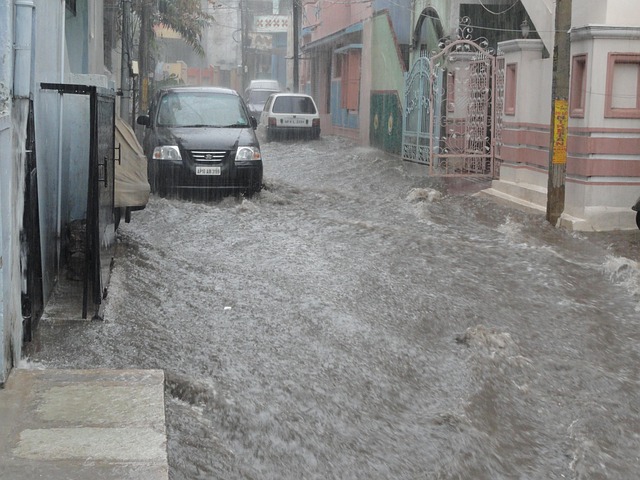
Preventing future floods is a critical component of building long-term resilience for businesses facing recurring or unexpected water damage events. While immediate flood cleanup naturally is essential to mitigate losses, proactive measures can significantly reduce the impact and frequency of such disasters. Home flooding recovery experts in Denver and across the country emphasize that understanding local flood patterns, implementing robust infrastructure upgrades, and educating employees are key strategies. For instance, businesses located in areas prone to sudden surges in water levels due to intense rainfall should invest in advanced drainage systems and barriers designed to divert excess water away from buildings.
Regular maintenance of these systems, combined with proper training for staff on flood safety protocols, can make a substantial difference during severe weather events. Additionally, adopting sustainable practices such as implementing green infrastructure—including permeable surfaces, retention ponds, and native vegetation—can help absorb excess rainwater, reducing the risk of home flooding assistance Denver areas require. Property Restoration of the Capital Region has successfully utilized these methods in numerous projects, demonstrating their effectiveness in minimizing damage and speeding up restoration times.
Moreover, businesses should invest in comprehensive insurance coverage tailored to their specific risks. This includes flood insurance, which is often overlooked but can provide vital financial protection during and after a flood event. By integrating these long-term solutions into their operations, businesses can foster an environment of resilience, ensuring they are better equipped to recover quickly and sustain continuity even amidst challenging conditions. Regular reviews of emergency response plans and staying informed about local flood mitigation efforts further strengthen the overall preparedness strategy.
In addressing flood recovery for businesses, this article offers a comprehensive roadmap with key insights across critical stages. Assessing damage is the initial step, focusing on safety and documenting losses. Implementing natural flood cleanup techniques emerges as a sustainable solution, emphasizing environmentally friendly practices for effective flood cleanup naturally. Restoring operations involves strategic prioritization and communication to facilitate a swift turnaround. To enhance long-term resilience, preventing future floods through robust infrastructure and proactive measures is paramount. By synthesizing these key learnings, businesses can not only navigate current challenges but also build resilience against future floods, ensuring continuity and minimizing disruption.